Compare Boston top Microblading for Brow Enhancement
Compare Boston top Microblading for Brow Enhancement
Blog Article
Expert Microblading: Elevate Your Look With Precision
Professional eyebrow tattooing has emerged as a popular approach for achieving sharp eyebrows. This technique requires the precise placement of pigment to produce fine, natural-looking strokes. Its accuracy allows for a tailored appearance that complements personal facial features. However, many may wonder about the procedure, advantages, and potential misunderstandings surrounding this long-lasting enhancement. Grasping these elements can greatly influence one's decision to undertake this cosmetic procedure. What else should a potential client think about?
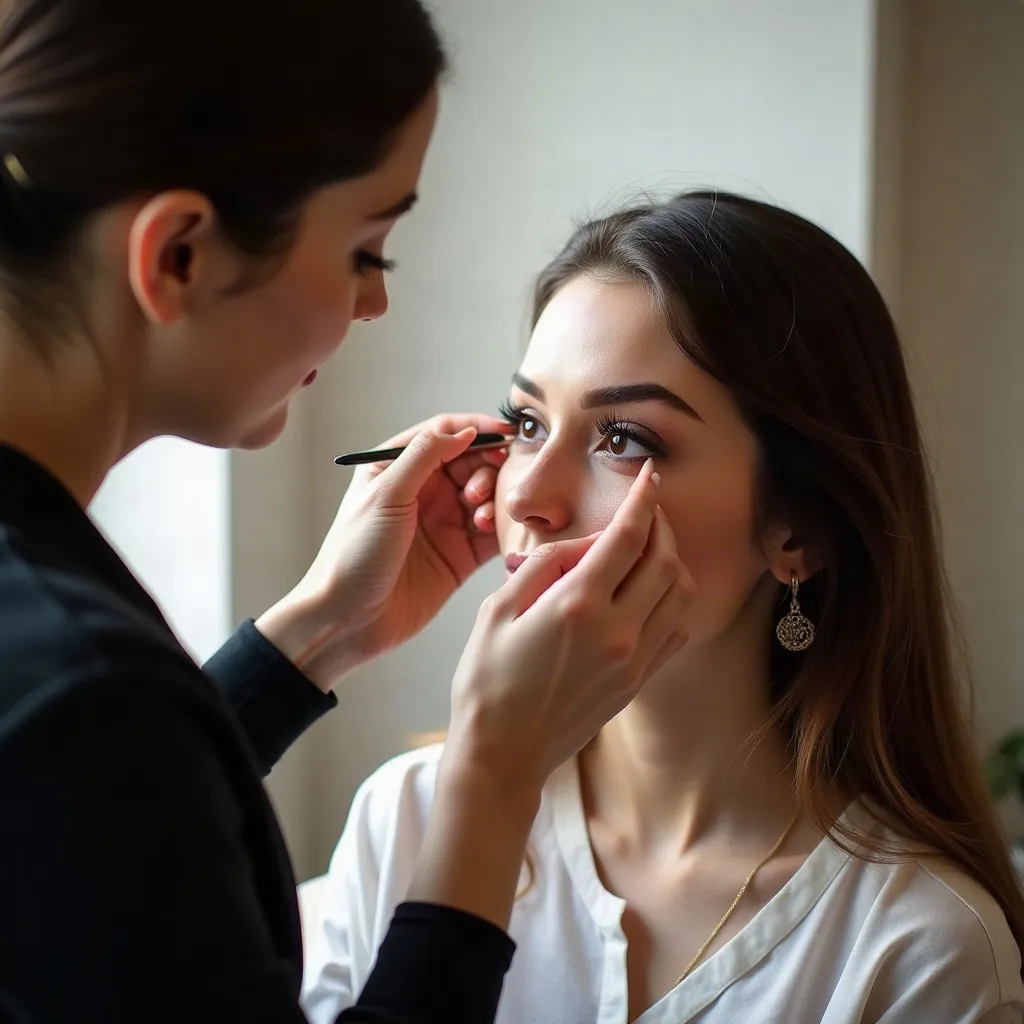
Grasping Professional Microblading: What It Represents and How It Operates
Microblading, a detailed technique in the beauty industry, involves the semi-permanent improvement of eyebrows. This procedure employs a handheld tool featuring fine needles to place pigment into the skin's upper layers, forming hair-like strokes that mimic natural eyebrow hairs. The procedure begins with a thorough consultation, where the technician assesses the client's facial structure and discusses desired outcomes.
Following this step, a anesthetic agent is placed to reduce pain during the procedure. The specialist carefully plans the ideal shape, confirming balance and alignment with the individual's facial features. Once the blueprint is approved, the microblading process starts, typically taking about two to three hours to complete. Aftercare is vital, as it includes specific instructions to support healing and maintain the durability of the results. Over time, touch-ups may be necessary to refresh the appearance, guaranteeing that the brows remain defined and lively.
The Benefits of Selecting Professional Microblading
Deciding on professional microblading delivers numerous rewards, particularly for those seeking a polished and natural look. One considerable plus is the competence of qualified technicians who possess an extensive understanding of facial symmetry and skin types. This professional insight warrants that the brows are not only aesthetically pleasing but also tailored to enhance individual features.
Moreover, qualified experts apply high-quality pigments and tools, curtailing the potential of adverse reactions or poor results. They equally respect exacting sanitation practices, offering a hygienic setting that limits the chance of infection.
Furthermore, expert eyebrow tattooing typically features a consultation process, allowing clients to express their preferences and expectations successfully. This tailored method builds confidence and contentment, as clients leave with brows that suit their aesthetic and improve their beauty. Ultimately, opting for expert eyebrow tattooing can lead to enduring outcomes that significantly elevate one's look and self-assurance.
Preparing for Your Microblading Session
Preparing for a microblading session requires several important steps to ensure ideal results. First, clients should book a consultation with their microblading artist to talk about desired outcomes, brow shape, and color choices. This initial meeting allows for a thorough understanding of individual needs and expectations.
During the days leading up to the appointment, it is suggested to eliminate blood-thinning compounds such as alcohol, caffeine, and certain medications, which can affect healing. Additionally, clients should abstain from waxing or tinting their brows to guarantee a clean canvas for the artist.
During the day of the session, arriving with a fresh face, absent of makeup, is necessary. This permits the artist to assess the natural brow shape precisely. Clients should also mention any allergies or skin sensitivities to ensure the safest and most effective treatment. Proper preparation ultimately strengthens the overall microblading experience.
Post-Treatment Guidelines for Keeping Your Microbladed Brows
Aftercare is vital for protecting the form of microbladed brows. Clients should avoid water exposure, use tender cleansers, and apply repair cream as recommended. These steps help guarantee ideal healing and longevity of the results.
Avoid Water Exposure
While semi-permanent brows can improve one's facial features, upholding their condition necessitates careful aftercare, particularly concerning water exposure. Water can interfere with the recovery period, potentially making the pigment disappear early or leading to infection. For at least two weeks following the procedure, it is necessary for clients to avoid submerging their brows in water, whether by swimming, saunas, or excessive sweating. Showering should be approached cautiously; using a shower cap can help with shielding the area. Even washing the face should be performed with care, ensuring the water does not touch the brow region. By following these guidelines, clients can safeguard the life and brightness of their microbladed brows.
Opt for Soft Cleaning Agents
After ensuring brows are shielded against water exposure, the next step review this content in caring for microbladed brows involves the choice of cleansers. It is crucial to choose gentle, non-abrasive cleansers to avoid irritating the delicate skin surrounding the brows. Strong products or scrubbing agents can disrupt the healing process and lead to fading or uneven results. A gentle, unscented cleanser helps in effectively removing impurities without damaging the integrity of the microbladed area. Users should apply the cleanser using a soft cloth, avoiding any scrubbing motions. This mindful technique ensures that the brows remain clean while promoting ideal healing. Maintaining this routine helps protect the precision and beauty of the microbladed brows over time.
Administer Therapeutic Ointment
Using a curative balm is key for the healing of microbladed brows. This ointment functions as a protective barrier, supporting healing and minimizing the risk of infection. Specialists typically advise that the ointment be applied gently with clean fingertips, ensuring to apply it evenly without over-saturation. It is vital to adhere to the artist's specific instructions on the frequency and amount of application. A thin layer usually suffices, since too much product can cause clogged pores and slow down healing. Clients should refrain from touching their brows and not use makeup or other skincare products in the area during healing. Proper care improves the longevity and look of the microbladed brows, ensuring that clients get their desired appearance.
Debunking Widespread Myths About Microblading
In the arena of microblading, multiple myths circulate that can mislead potential clients. Popular assumptions suggest that the procedure is painful, results are permanent, and it is only suitable for those with thin brows. Addressing these myths is crucial for a better comprehension of what microblading truly entails.
Microblading Is Uncomfortable
Countless potential customers avoid trying microblading, concerned about the pain connected to the procedure. However, this concern often stems from misunderstandings. Professional microblading technicians commonly administer a topical anesthetic before commencing the process, greatly alleviating discomfort. While certain individuals may feel slight sensitivity, most report the sensation as like light scratching rather than severe pain. The technique involves creating fine, hair-like strokes in the skin, which can be more tolerable than expected. Additionally, the skill of the artist plays an essential part in guaranteeing a pleasant experience. Overall, the perception of pain can vary, but many clients find the results far surpass any temporary discomfort, challenging the myth that microblading is an overwhelmingly painful procedure.
Results Remain Enduring
A frequent misunderstanding about microblading is that the effects are permanent. In truth, microblading includes applying semi-permanent pigment to the skin, which generally fades with time. Factors like skin type, sunlight exposure, and aftercare can impact the duration of the effects. Usually, microblading results last from one to three years before touch-ups are needed. This semi-permanent nature lets individuals alter their brow shape and color as fashion or personal tastes evolve. Knowing this information is crucial for potential clients, as it reduces worries about a lasting commitment. By clarifying the permanence misconception, clients can make educated choices about their beauty enhancements without fearing irreversible outcomes.
Only For Thin Brows
The belief that microblading is only suitable for those with thin brows is a widespread misconception. In reality, microblading can benefit a spectrum of brow types, from sparse to bushy. This procedure is designed to generate authentic hair strokes, making it flexible for anyone seeking to enhance their brows. Clients with thicker brows can achieve a more defined shape, while those with thinner brows can complete gaps, producing a fuller appearance. Moreover, microblading can support balance asymmetrical brows, regardless of their initial thickness. At the end, the treatment is bespoke, allowing professionals to cater to each client's distinctive brow needs, dispelling the myth that it is exclusively for those with thin eyebrows.
Finding a Certified Microblading Practitioner
How can one guarantee a satisfying and secure microblading experience? The choice of a certified microblading professional plays a vital part. A certified artist not only has the necessary skills but also adheres to health and safety standards. To verify proficiency, clients should confirm that the artist has completed thorough instruction and obtained certification from a trusted institution.
Additionally, assessing the artist's portfolio is vital; this highlights their prior projects and unique style. Reviews and feedback from previous clients can shed light on the artist's professionalism and service quality.
In addition, a consultation is advisable, allowing potential clients to ask questions and evaluate the artist's proficiency and approach. Communication is vital; a talented artist will pay attention to client preferences while delivering expert guidance. Ultimately, investing effort in selecting a certified microblading artist can lead to an enhanced and gratifying beauty experience.
Frequently Raised Inquiries
What constitutes the Usual Length of a Microblading Process?
Microblading typically takes about two to three hours in total. This duration comprises initial assessment, brow formation, and the actual microblading procedure, ensuring a meticulous and individualized approach to accomplish the desired results.
Can Microblading Ideal for All Skin Type?
Microblading is not ideal for every skin condition. Oily skin might experience quicker color deterioration, whereas sensitive or problematic skin can cause issues. A meeting with a expert is vital to determine individual suitability.
Should You Get Eyebrow enhancement Completed During Gestation?
Microblading is typically not advised during pregnancy due to hormonal fluctuations and heightened skin reactivity. Additionally, potential risks from numbing agents and infection may present safety risks for both the mother and the unborn child.
What Must I Avoid Before My Microblading Session?
Leading up to your microblading visit, you should refrain from blood thinners, alcohol, caffeine, and certain medications. It's also recommended to steer clear of excessive sun exposure and to make certain skin is clean and well-moisturized for ideal results.
How Routine Should My Touch-Up Sessions Be?
Touch-ups are commonly recommended every 6 to 12 months, depending on skin type and lifestyle. Ongoing attention contributes to maintain the look and lifespan of microbladed brows, confirming they stay fresh and clearly outlined over time.
Report this page